










Fulton Market vs. West Loop: What Are the Differences?
Fulton Market and the West Loop are frequently compared by renters, but the conversation often starts with a misconception. Fulton Market is not a separate neighborhood. It is a district within the broader West Loop on downtown Chicago’s Near West Side.
Understanding Fulton Market vs West Loop is less about choosing between two unrelated areas and more about deciding where within the West Loop you want to live.
While they share geography, the day to day experience, housing stock, and overall pace can feel very different depending on which section of the West Loop you call home.
Understanding the West Loop and Fulton Market
The West Loop has evolved into one of Chicago’s most sought after residential areas. Historically industrial, the neighborhood began its transformation through loft conversions, mid rise developments, and later high rise construction. Today the West Loop spans a sizable portion of the Near West Side, stretching across multiple sub areas with distinct identities.
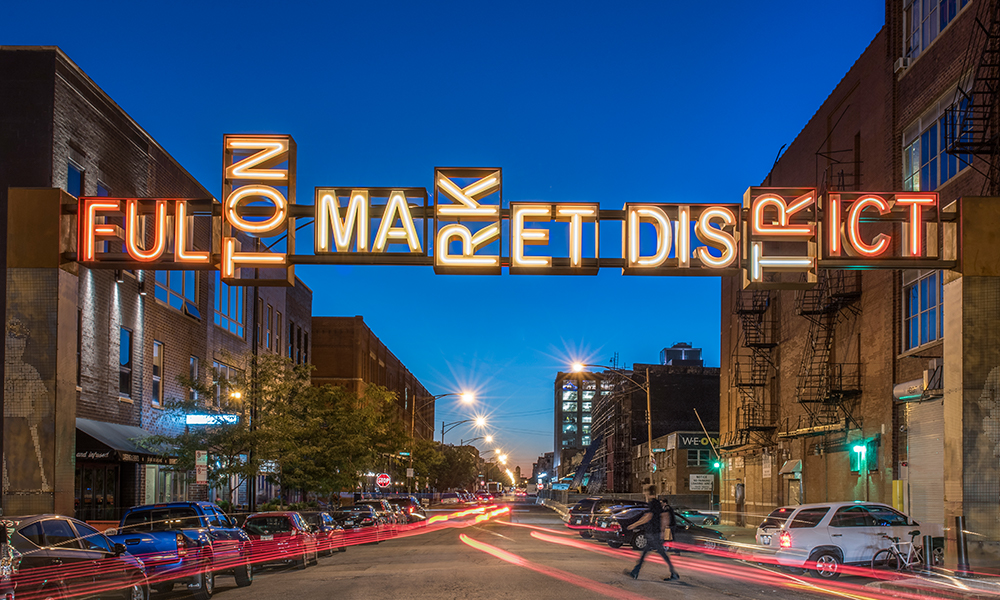
Fulton Market sits within this landscape as a concentrated pocket of development and activity. Once known for its industrial corridors and meatpacking facilities, the district has rapidly become one of Chicago’s most recognized destinations for dining, nightlife, and office growth.
In practical terms, Fulton Market is part of the West Loop, but living in Fulton Market can feel very different from living in other parts of the West Loop.
Living in Fulton Market vs Living in West Loop
For renters, the distinction often comes down to building types, street activity, and lifestyle preferences.
Living in Fulton Market
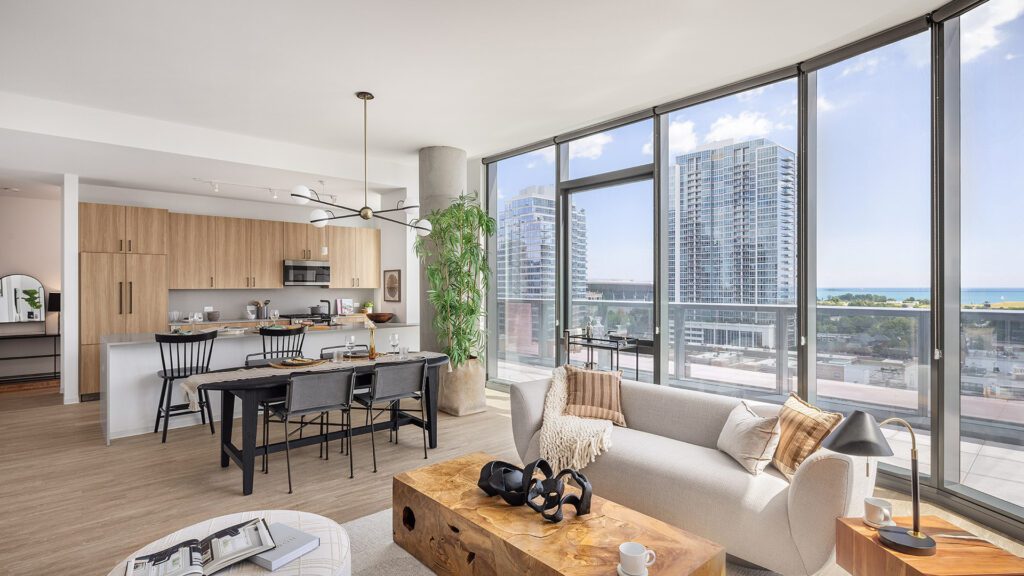
Living in Fulton Market typically means newer construction and a more condensed urban experience. The district is defined by modern apartment buildings, high rise developments, and boutique mid rise properties that offer full amenity packages.
Inventory here is limited by the district’s compact footprint. Buildings tend to command higher rents, reflecting both location and design. Many renters choose Fulton Market specifically for immediate access to restaurants, nightlife, and offices within walking distance.
Availability in Fulton Market can fluctuate quickly, making real time building level data especially important. Exploring current Fulton Market apartments offers a clearer picture of what is actively leasing.
Living in West Loop
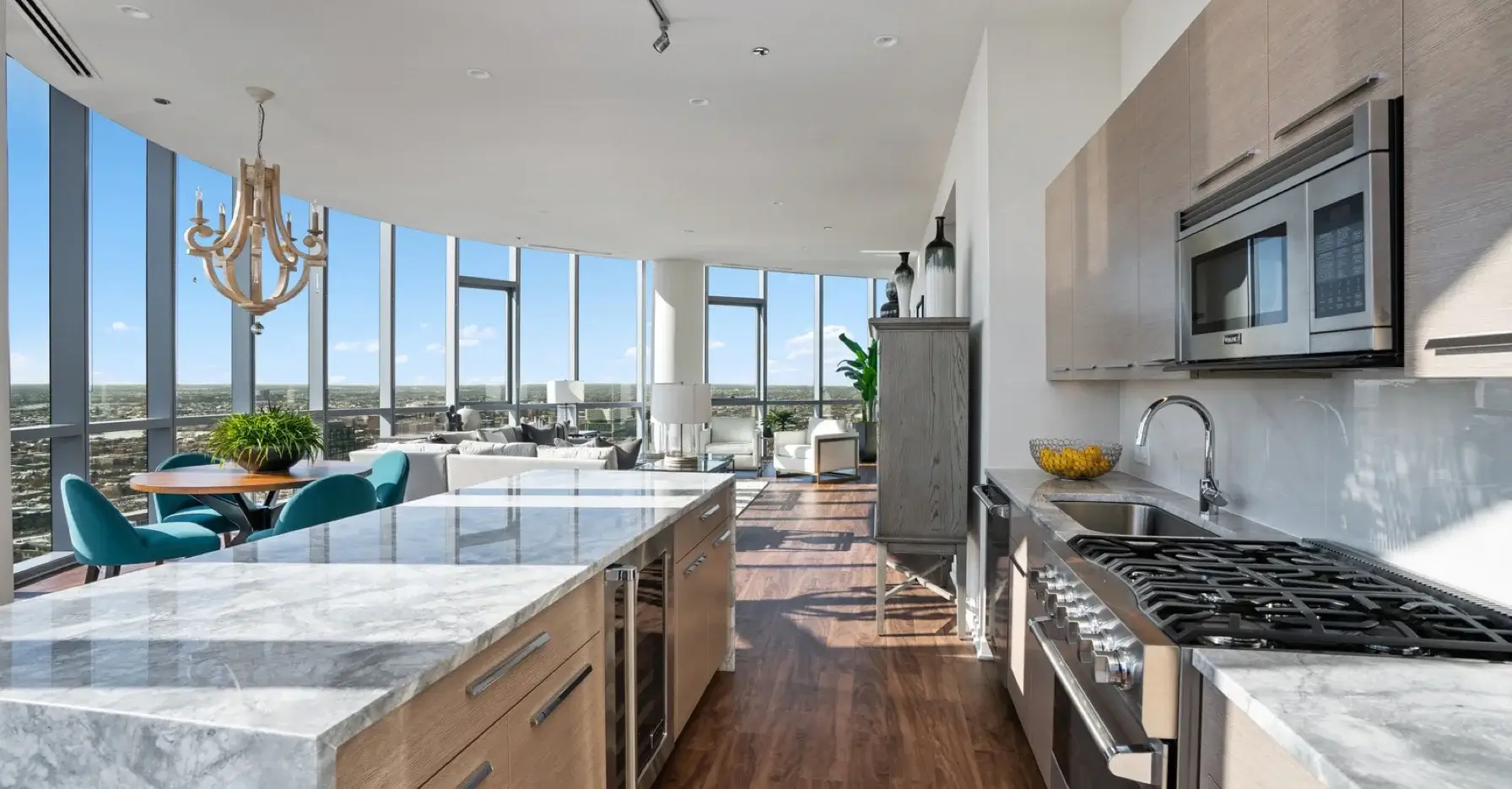
Living in West Loop outside Fulton Market offers more variety. The neighborhood extends well beyond the Fulton Market district, creating a wider mix of housing options that include loft conversions, mid rise buildings, and larger residential towers.
Renters often find greater flexibility in pricing, layouts, and building styles compared to Fulton Market. Streets also tend to feel more residential, with activity spread across the neighborhood rather than concentrated in a few corridors. The West Loop also has lots of parks and green space including Mary Bartelme, Skinner, and Union parks, making this a great area to live for dog owners.
Reviewing West Loop apartments highlights how diverse the rental landscape can be.
Housing Trends and Rental Dynamics
Because Fulton Market is a district within the West Loop, rental trends are connected but not identical.
Fulton Market pricing generally reflects newer inventory, limited supply, and sustained demand. Concessions may appear seasonally in both areas.
The broader West Loop market shows more variability. Older buildings, larger inventory pools, and a wider geographic spread allow for more pricing differences and leasing incentives depending on building and timing.
Current West Loop average rental prices provide useful context for renters comparing options within the neighborhood.
Transportation and Accessibility
Both Fulton Market and the West Loop benefit from strong public transportation access.
Residents have convenient connections to the CTA Green, Pink, and Blue Lines (which goes directly to O’Hare International Airport), along with multiple bus routes. Proximity to Ogilvie and Union Station further supports commuters traveling throughout the metro area.
Fulton Market’s walkability is one of its defining features, though traffic patterns can intensify during peak dining and nightlife hours. In other parts of the West Loop, street activity tends to feel more balanced throughout the day.
Community Vibe and Daily Experience
Because Fulton Market is embedded within the West Loop, the community feel can vary significantly within a relatively small geographic area.
Fulton Market tends to attract renters seeking immediacy and energy. Streets remain active into the evening, reflecting the district’s hospitality and office density.
Other sections of the West Loop often feel more residential. Streets quiet earlier, foot traffic is lighter, and the day to day pace can feel more predictable.
For renters weighing these dynamics, the distinction is less about Fulton Market vs West Loop and more about selecting the right pocket within the West Loop.
Things to Do in Fulton Market
Fulton Market serves as one of Chicago’s most concentrated dining and nightlife districts. Restaurants, cocktail bars, and hospitality driven venues define much of the street level experience.
Events, openings, and seasonal activations are common, reinforcing the district’s role as a citywide destination. For many residents, daily life blends directly with Chicago’s restaurant and entertainment scene.
Things to Do in West Loop
The broader West Loop offers a more distributed mix of dining, cafés, bars, and neighborhood focused businesses. While Randolph Street remains a major corridor, activity is not confined to a single district.
Residents often describe the West Loop as offering access to the scene without always being immersed in it. Entertainment, fitness studios, local services, and quieter residential pockets coexist across the neighborhood.
Exploring things to do in West Loop provides perspective on how the lifestyle shifts block by block.
Comparing Fulton Market vs West Loop is ultimately about understanding scale. The West Loop is a broad and varied neighborhood. Fulton Market is one of its most active and concentrated districts.
Both offer strong rental opportunities, access to downtown, and a lifestyle defined by walkability and amenities. The better fit depends on how close you want to be to the densest restaurant and nightlife corridors versus the wider residential landscape of the West Loop.
Downtown Apartment Collective specializes in helping renters moving to Chicago find luxury rentals in the West Loop and Fulton Market. Contact for details!