



South Loop vs. West Loop: What Are the Differences?
When renters compare West Loop vs South Loop Chicago, they are often deciding between two neighborhoods that sit close to downtown but feel very different day to day. Both offer modern high rise apartments and strong transit access, but the surrounding environment shapes how residents spend their time.
The West Loop is known for its restaurant scene and nightlife around Fulton Market and Randolph Street. The South Loop leans more toward its daytime attractions, like the abundance of lakefront parks, museums, Soldier Field, and bookstores and cafes along Printer’s Row.
Here is how the neighborhoods compare across lifestyle, dining, and daily amenities.
Living in West Loop
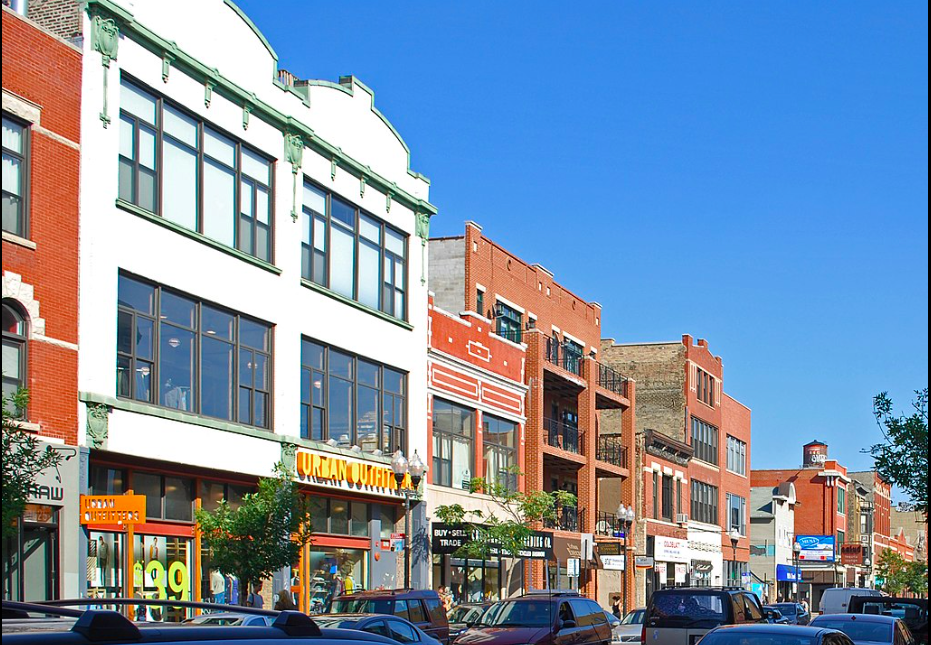
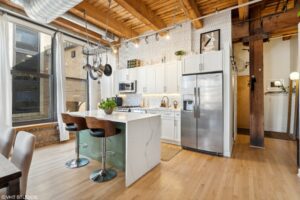
The West Loop has transformed from an industrial warehouse district into one of Chicago’s most active neighborhoods. Many former warehouses now house offices, restaurants, and loft apartments, while newer high rises continue to reshape the skyline.
People drawn to living in West Loop often want walkable access to restaurants, nightlife, and downtown offices. Randolph Street, often called Restaurant Row, is one of the city’s most recognized dining corridors.
Restaurants like Girl & the Goat, Au Cheval, Monteverde, and The Publican anchor the area, drawing visitors from across Chicago. Fulton Market adds newer destinations such as Aba, Swift & Sons, and Trivoli Tavern.
The neighborhood also has a growing gallery scene. Spaces like Rhona Hoffman Gallery and Kavi Gupta Gallery contribute to the West Loop’s creative identity.
For dog owners, Skinner Bark Park is one of the neighborhood’s main off leash dog parks. Located near Skinner Park, it provides fenced space for dogs while the surrounding park offers running paths and open lawns.
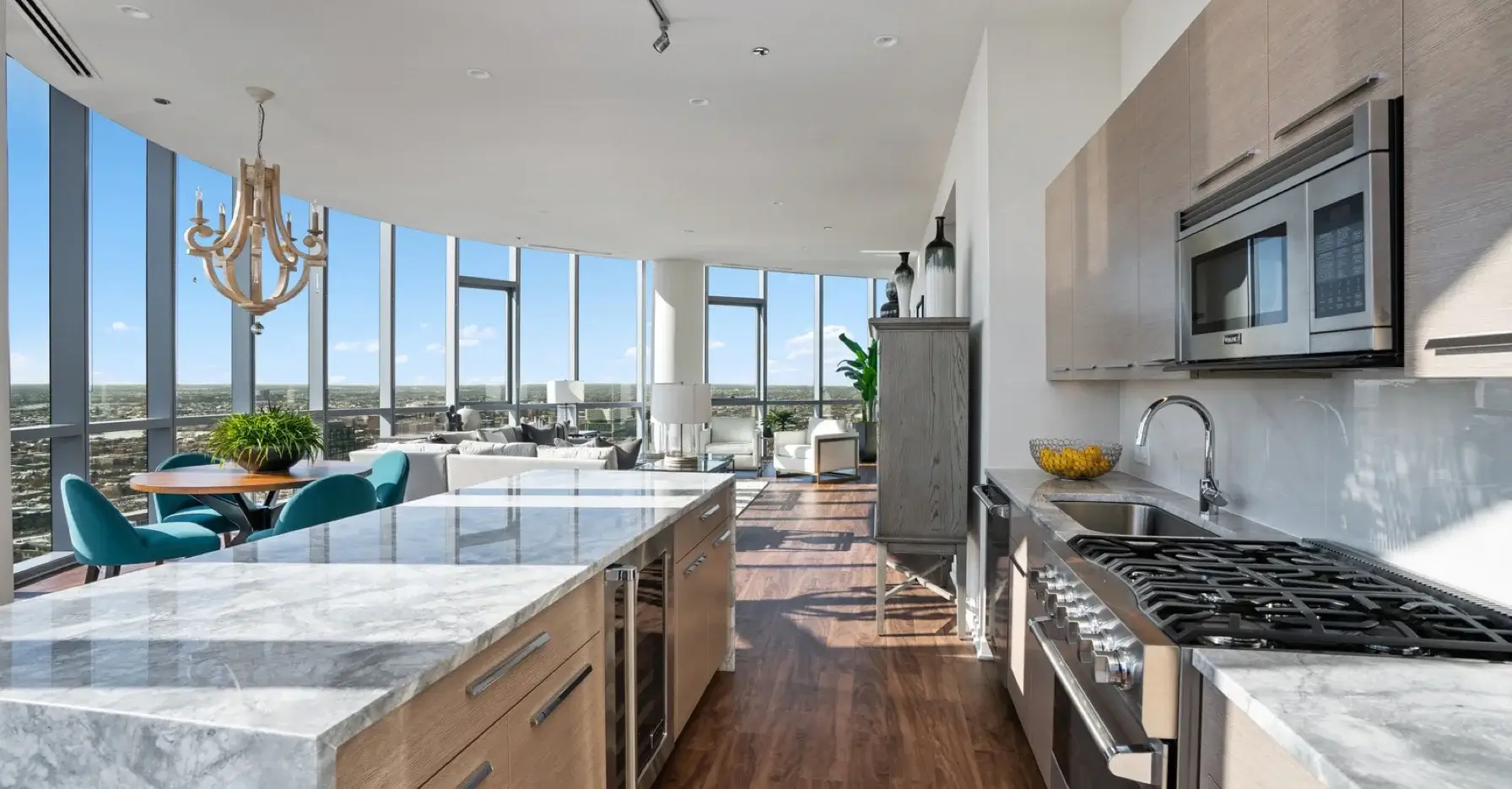
Residents exploring West Loop apartments will notice many buildings clustered around Fulton Market and the Morgan Street corridor.
Living in South Loop
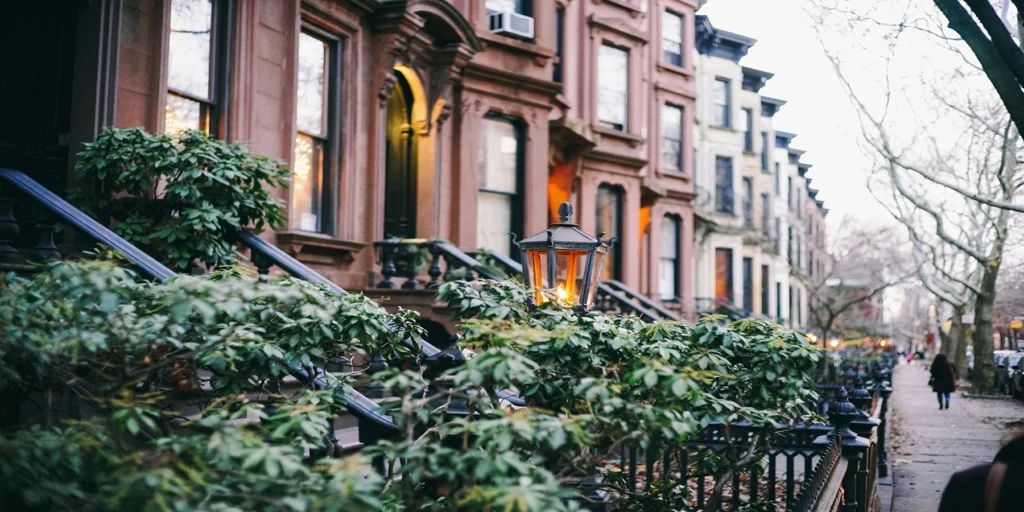
The South Loop sits just south of downtown along Michigan Avenue and the lakefront. Compared with the West Loop, the neighborhood feels more residential and open, with wide streets and several major parks.
Many renters choose living in South Loop for proximity to green space and cultural institutions. Grant Park, Maggie Daley Park, and the Lakefront Trail are all within walking distance for many residents.
The neighborhood is also home to several historic sites, including the Clarke House Museum and Dearborn Station, one of Chicago’s oldest surviving train stations.
Dining in the South Loop tends to be more neighborhood focused. Popular local spots include The Chicago Firehouse Restaurant, Eleven City Diner, Flo & Santos, and Acadia. While the area is quieter at night than the West Loop, residents still have easy access to downtown restaurants just minutes away.
Dog owners have several nearby parks, including the large dog friendly areas in Grant Park and the Fred Anderson Dog Park, located just south of the Museum Campus.
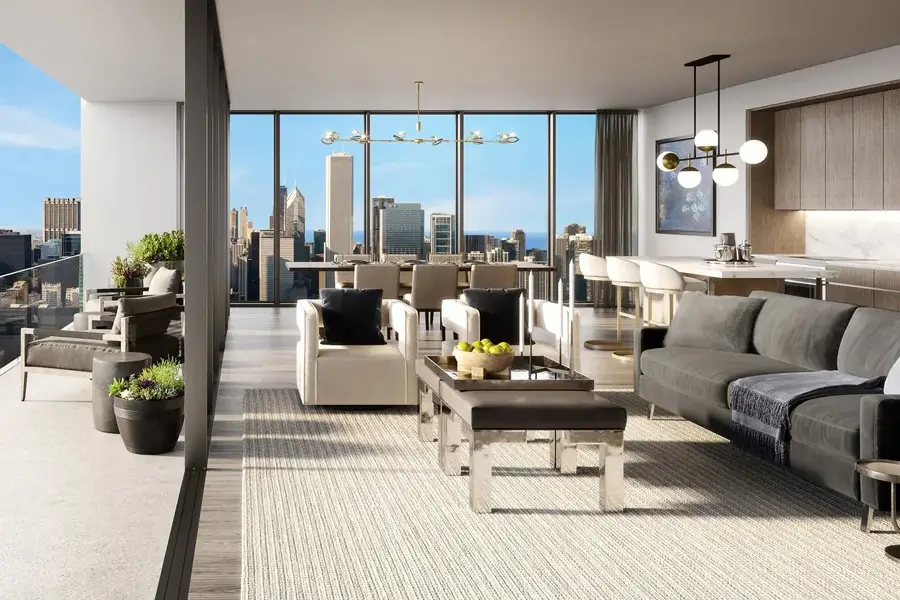
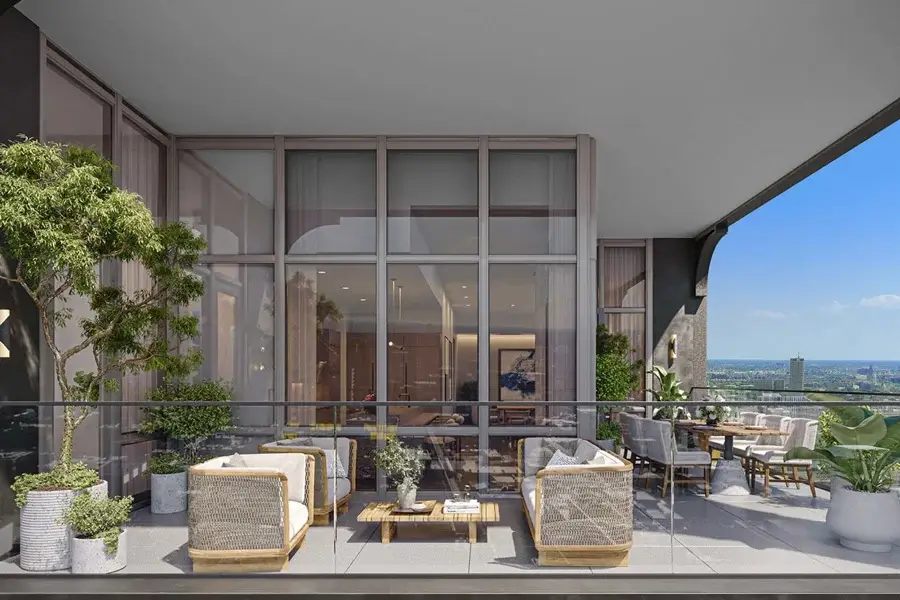
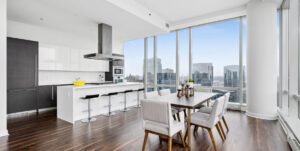
Renters considering the neighborhood can browse available South Loop apartments to see how the area’s high rise buildings line Michigan Avenue and extend toward the lake.
Things to Do in West Loop vs South Loop
When comparing things to do in West Loop with things to do in South Loop, the difference largely comes down to day activities vs. nightlife.
In the West Loop, evenings often revolve around dining and nightlife. Bars like The Aviary, The Blind Barber on Fulton, After, Bandit, Hide/Seek, and Moneygun are well known throughout the city. The area also hosts seasonal food festivals and events tied to Fulton Market’s restaurant scene.
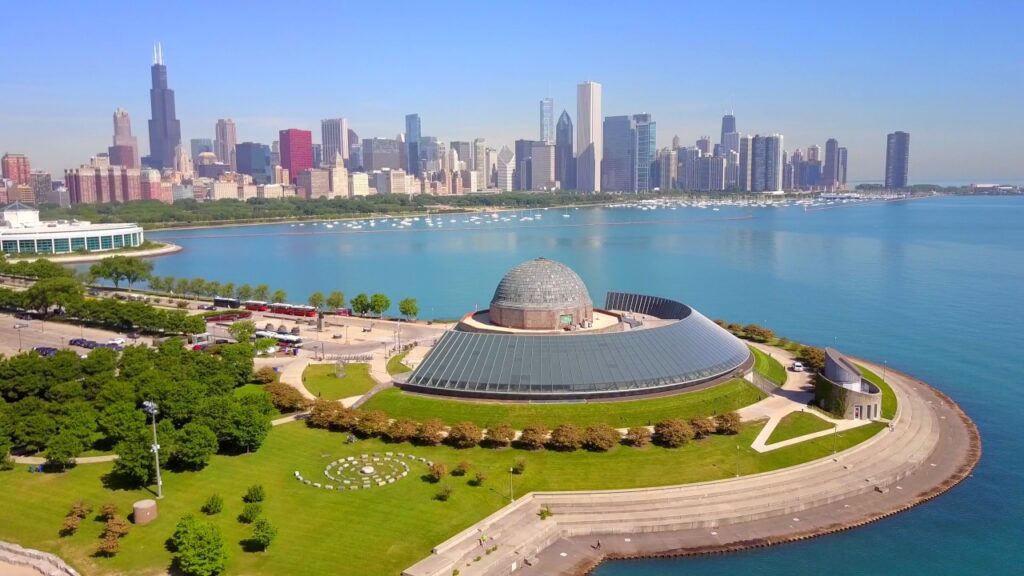
In the South Loop, activities tend to center on the lakefront and museums. Residents can walk to the Field Museum, Shedd Aquarium, and Adler Planetarium within minutes. Summer events in Grant Park, including concerts and festivals, bring large crowds to the neighborhood.
Choosing Between South Loop and West Loop
The West Loop is ideal for renters who want immediate access to restaurants, nightlife, and a fast moving neighborhood. The South Loop offers more open space, lakefront access, and a quieter residential atmosphere in certain parts.
Both neighborhoods continue to grow and remain two of the most sought after areas for renters looking to live near the center of the city and provide great public transit access as well as walkability.