











The Best Ways to Find Apartments in Chicago
If you’re looking to find an apartment in Chicago, the city offers one of the most diverse rental markets in the country, shaped by distinct neighborhoods, varied housing stock, and shifting demand throughout the year. Renters can choose from modern high rise buildings, vintage walk ups, townhomes, and new developments across dozens of communities. At the same time, competition can be strong, especially in desirable areas and during peak moving seasons.
Understanding how the Chicago apartment rental market works includes knowing where to search, how to evaluate listings, and when to act can make the difference between landing the right home or missing out.
Why Chicago’s Rental Market Is Unique
Chicago’s rental market stands out because of its scale and variety. Unlike cities where rental options are concentrated in a small downtown core, Chicago’s housing options extend across a wide network of neighborhoods, each with its own character, price range, and amenities. Access to public transportation, proximity to employment centers, and neighborhood services often matter more than distance from downtown alone.
Seasonality also plays a major role. Demand typically increases in late spring and summer, when renters prefer to move. Winter months can offer more concessions and lower rents, but fewer listings and less overall availability. Lease lengths can vary as well. Sometimes in the winter you’ll see the best pricing on non-standard lease lengths like 9 or 18 month leases, so that your lease will expire in the summer months.
Another factor is the balance between large professionally managed buildings and independent landlords. At managed high rises, apartments are often listed 45-60 days out from the date they’ll be available. Many private apartments are listed only 30 days in advance, which means renters need to be ready to move quickly once a suitable option appears.
Current Trends Affecting Renters
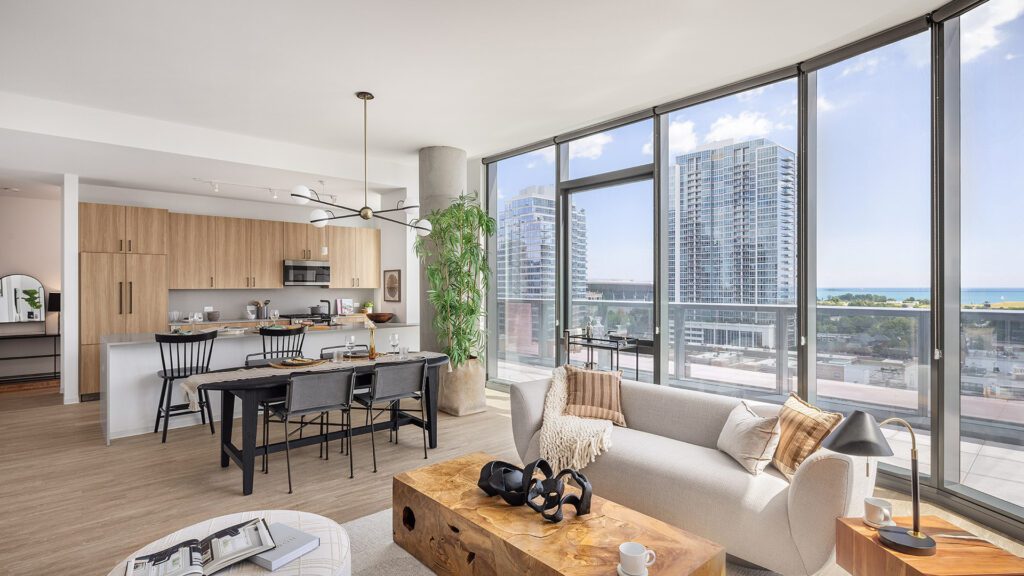
A recent Chicago rental market analysis shows continued interest in amenity rich buildings, flexible floor plans, and neighborhoods with easy transit access. Remote and hybrid work have also influenced renter priorities, with more emphasis on space and building features rather than proximity to a single office location.
While rent levels vary widely by neighborhood, the overall cost of living in Chicago remains more accessible than many coastal cities. This affordability, combined with a strong job market and cultural scene, keeps demand steady. For renters, staying informed about Chicago housing options and rental trends helps set realistic expectations and timelines.
What Are the Best Ways to Find an Apartment in Chicago
There is no single method that works for every renter, but the best way to find Chicago apartments usually involves a mix of online research, neighborhood exploration, and professional guidance. Some renters focus on listings platforms, while others rely on word of mouth or apartment brokers with access to off market options.
Online searches are often the starting point, but success depends on knowing where to look and how to filter effectively. Visiting neighborhoods in person can also uncover smaller buildings with posted availability signs. For renters with specific needs or limited time, working with an experienced broker can simplify the process and reduce stress.
Ultimately, the best way to find an apartment in Chicago is to work with an apartment locator or broker, get clear on your priorities and criteria, and be prepared to submit an application quickly.
Best Neighborhoods for Various Lifestyles
One of the most common questions renters ask is, what are the best neighborhoods to live in Chicago. The answer depends on lifestyle, budget, and daily routines.
For renters seeking a lively atmosphere with dining, nightlife, and entertainment, neighborhoods like River North, West Loop, South Loop, and Wicker Park are often considered some of the most lively. These areas offer easy access to restaurants, parks, and transit, along with a wide range of apartment listings. These areas also have direct access to the CTA blue line train which runs directly to O’Hare Airport, making River North, West Loop, South Loop, and Wicker Park great neighborhoods to live in for frequent travelers, consultants, or those regularly commuting to the airport.
Those prioritizing quieter streets and more green space may look to areas such as Lincoln Park, Lincoln Square, Logan Square, or Lakeview. Each offers a different pace while still connecting easily to the rest of the city through public transportation in Chicago.
Navigating the Rental Process with an Apartment Broker
For many renters, working with an apartment broker is the best way to find an apartment in Chicago efficiently. Brokers specialize in the local market and often have access to listings that are not widely advertised. There is not usually any fee for renters to work with a broker, as its typical for landlords to pay the broker fee in Chicago.
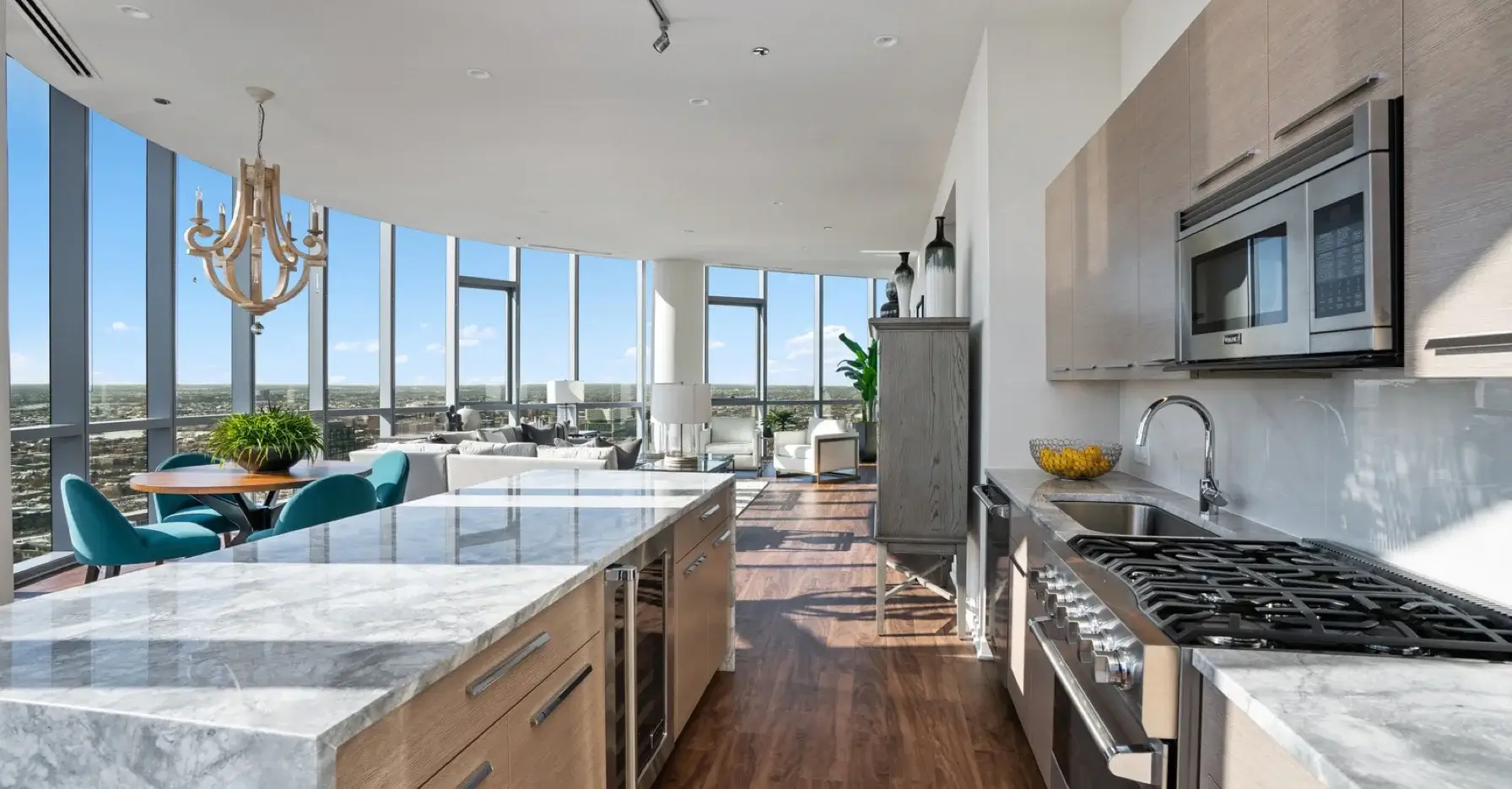
An experienced broker can help identify properties that match your needs, schedule showings, and explain the application process. This guidance is especially helpful for renters relocating from out of state or those searching for luxury options. Facetime showings are often an option when moving to Chicago from out of state. Many renters looking for higher end buildings explore curated selections of chicago luxury apartments to streamline their search.
When choosing an apartment broker, consider their knowledge of specific neighborhoods, responsiveness, and familiarity with off-MLS managed rental buildings. A good broker acts as an advisor, helping you evaluate options and avoid common pitfalls. Contact Downtown Apartment Collective for more information on luxury apartments for rent near downtown Chicago!