











Moving to Chicago? Find the Right Place to Live for You!
Since downtown Chicago is a big city and the neighborhoods vary block by block, finding the right fit when relocating to Chicago depends less on geography and more on how you plan to spend your time. For anyone moving to Chicago, choosing the right area is what shapes the entire experience!
Why Chicago Continues to Attract New Residents
Chicago offers a mix that is difficult to replicate. A strong job market, walkable downtown, and access to the lakefront all contribute to its appeal as well as the fact that each neighborhood carries its own identity.
You can spend a morning walking along the Lakefront Trail, an afternoon at the Art Institute of Chicago, and an evening in a completely different part of the city for dinner. That range is part of why so many people consider Chicago a good place to move.
Comparing Chicago’s Neighborhoods
There is no single “best” neighborhood in downtown Chicago. If you want restaurants, nightlife, and density, areas like River North and the West Loop tend to be the starting point. Randolph Street alone includes restaurants like Girl & the Goat and Monteverde, which draw people from across the city.
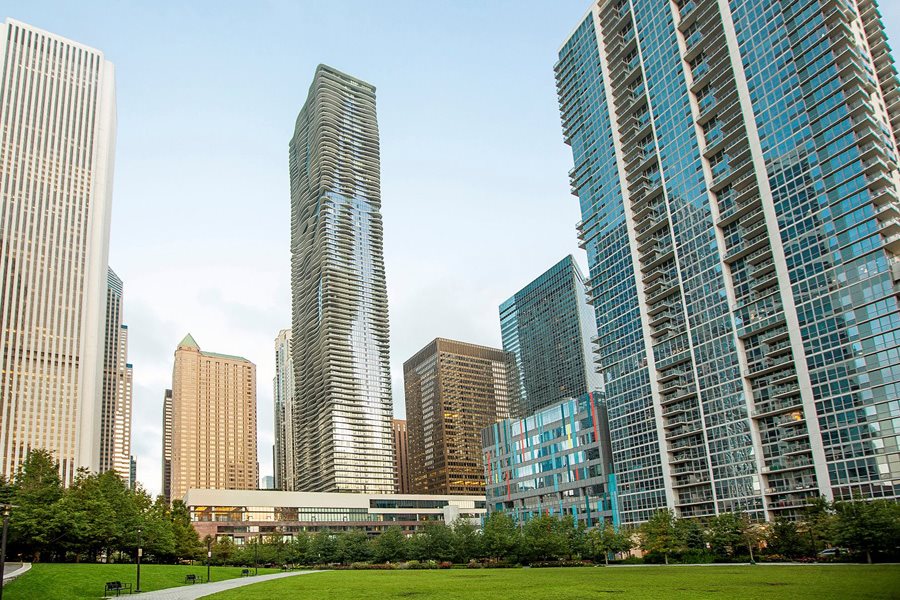
If access to parks and the lake matters more, the South Loop and Streeterville offer immediate proximity to Grant Park, Millennium Park, and the lakefront. These areas feel more open while still being close to downtown.
For a more residential feel with local retail and quieter streets, neighborhoods like Lincoln Park and Lakeview offer a different pace without leaving the city.
Chicago is also a great city for dog owners and dog parks are very common in most downtown Chicago neighborhoods.
Navigating Public Transportation
One of the advantages of living in Chicago is how accessible the city is without a car.
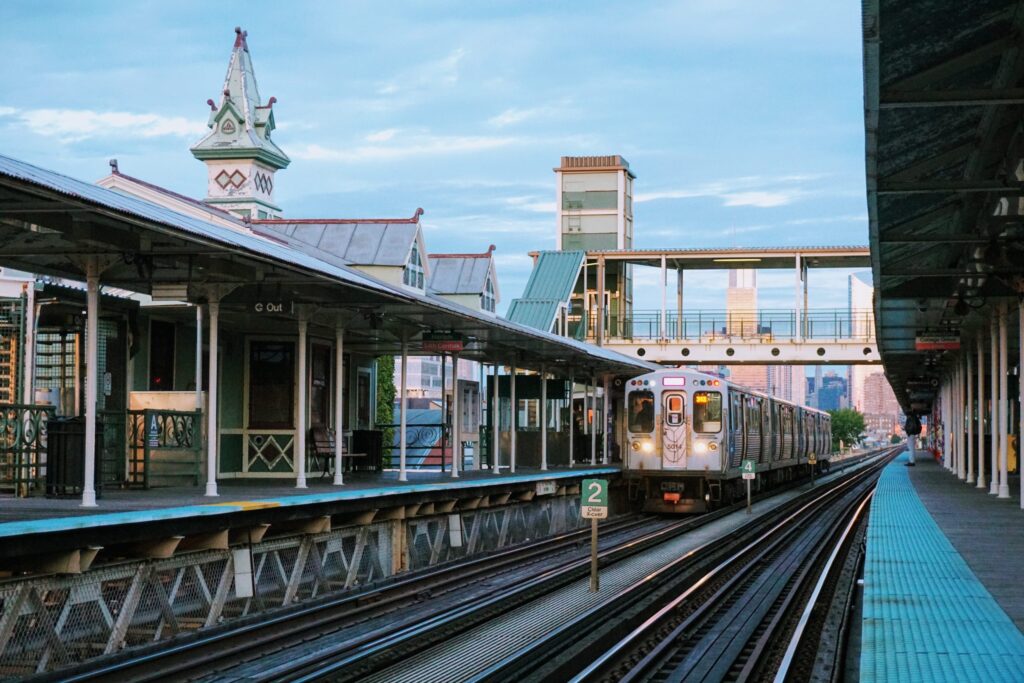
The CTA train system connects most major neighborhoods through lines like the Red, Blue, and Brown Lines. Buses fill in the gaps, especially along major corridors like Michigan Avenue and Ashland. The Blue and Orange line L trains also provide quick and direct access to O’Hare and Midway airports.
For commuters, Metra trains run out of downtown stations like Union Station and Ogilvie, connecting the city to surrounding suburbs.
Public transportation in Chicago is reliable enough that many residents build their housing search around train access. Living near a CTA stop can significantly reduce commute time and overall monthly expenses.
Cost of Living and What to Expect
Compared to cities like New York or San Francisco, Chicago remains relatively accessible, but costs still vary widely depending on neighborhood and building type.
Downtown high rise apartments, especially newer buildings with full amenities, command higher rents. Older buildings or neighborhoods outside the immediate downtown area can offer better value. One great way to save on rent is to lease a convertible, which is like a hybrid unit type between a studio and 1 bedroom. The layout is typically comparable to a 1 bedroom apartment but sometimes with a partially enclosed bedroom area, which can make rent about 10-20% lower than a true 1 bed.
Utilities, groceries, and transportation are generally manageable, especially if you rely on public transit instead of owning a car.
Lifestyle and Daily Life in Chicago
Chicago’s lifestyle is shaped by its public spaces and dining and entertainment scene.
The lakefront is a constant. Residents use it year round for running, biking, and walking. Parks like Grant Park and Millennium Park host major events, including Lollapalooza and summer concerts.
Dining is another defining feature. From deep dish staples like Lou Malnati’s and Pequod’s to high end restaurants across the West Loop, food is part of daily life in the city. Cultural attractions are built into the landscape. Museums, theaters, and galleries are spread across neighborhoods, making it easy to explore without planning an entire day around one destination.
Each neighborhood in Chicago has its own rhythm. For instance, in the West Loop activity tends to center around restaurants and nightlife. In the South Loop, community life often revolves around parks, museums, and local events. In Lincoln Park, it might be weekend farmers markets, the lakefront, or neighborhood coffee shops.
Finding Apartments in Chicago Online
The apartment search process has shifted heavily online, but not all platforms show the full picture. Many large buildings, especially downtown high rises, do not list all availability on third party sites. Listings can also remain active after units are leased, which makes timing more difficult.
Using a platform that focuses on real time building level availability can simplify finding apartments in Chicago online, especially for renters targeting downtown properties. Exploring current chicago luxury apartments or even penthouses can give a clearer sense of what is actually available.
Finding the Right Fit
For anyone moving to Chicago where to live is less about picking the most popular neighborhood and more about aligning with your routine. Do you want to walk to restaurants every night, or have quick access to the lake? Do you prioritize space, views, or proximity to work? The key is narrowing down which version of the city fits how you want to live day to day.